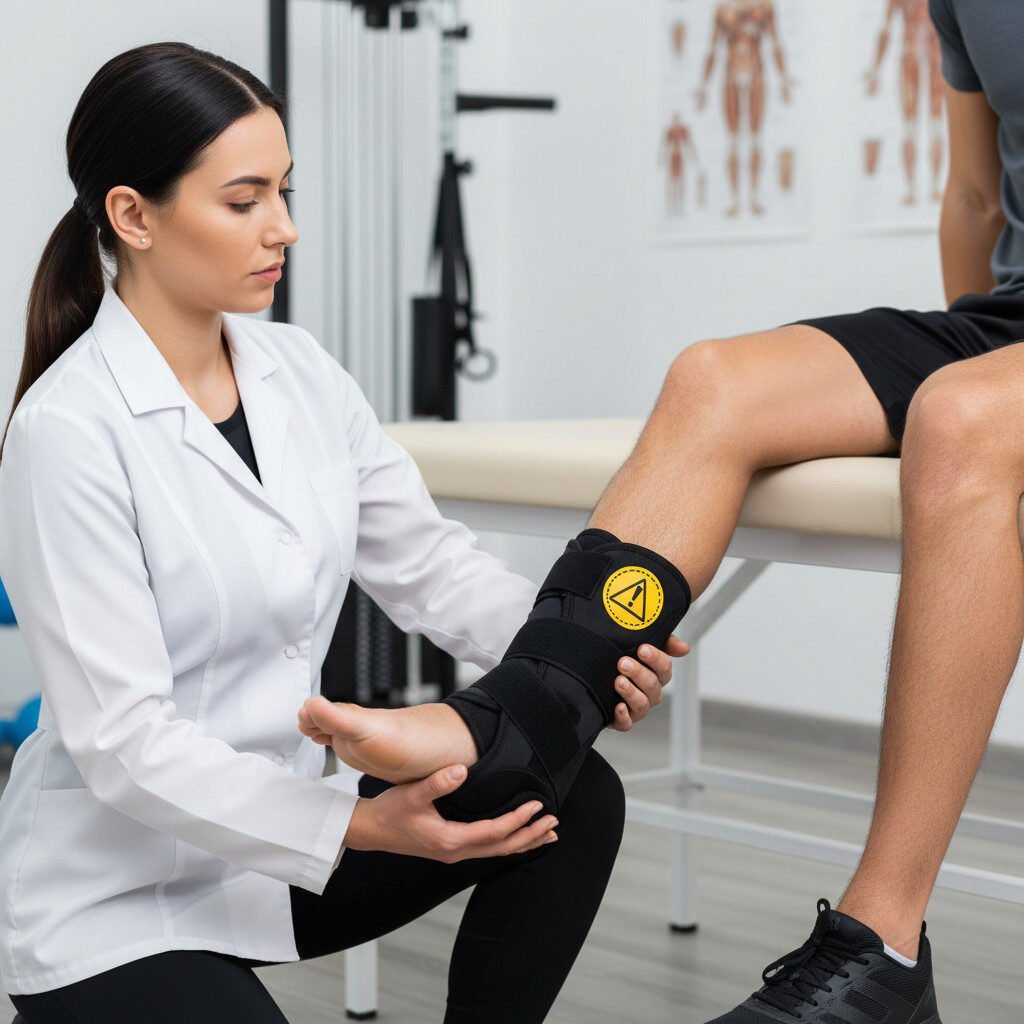
Are your knees struggling with the impact of running? Knee pain is a common issue among runners, but the key to prevention and relief lies in building strong supporting muscles. In this guide, you’ll learn how to strengthen knees for running through targeted exercises, smart training strategies, and proper form adjustments to keep you pain-free and performing at your best.
- Why Your Knees Hurt From Running
- The Role of Your Muscular Support System
- Common Causes of Biomechanical Stress
- Your Foundational Knee Strengthening Routine
- Advanced Exercises for Bulletproof Knees
- How to Adjust Your Running Form to Protect Your Knees
- The Right Warm-Ups and Cool-Downs for Knee Health
- Common Questions About Running and Knee Health
Why Your Knees Hurt From Running
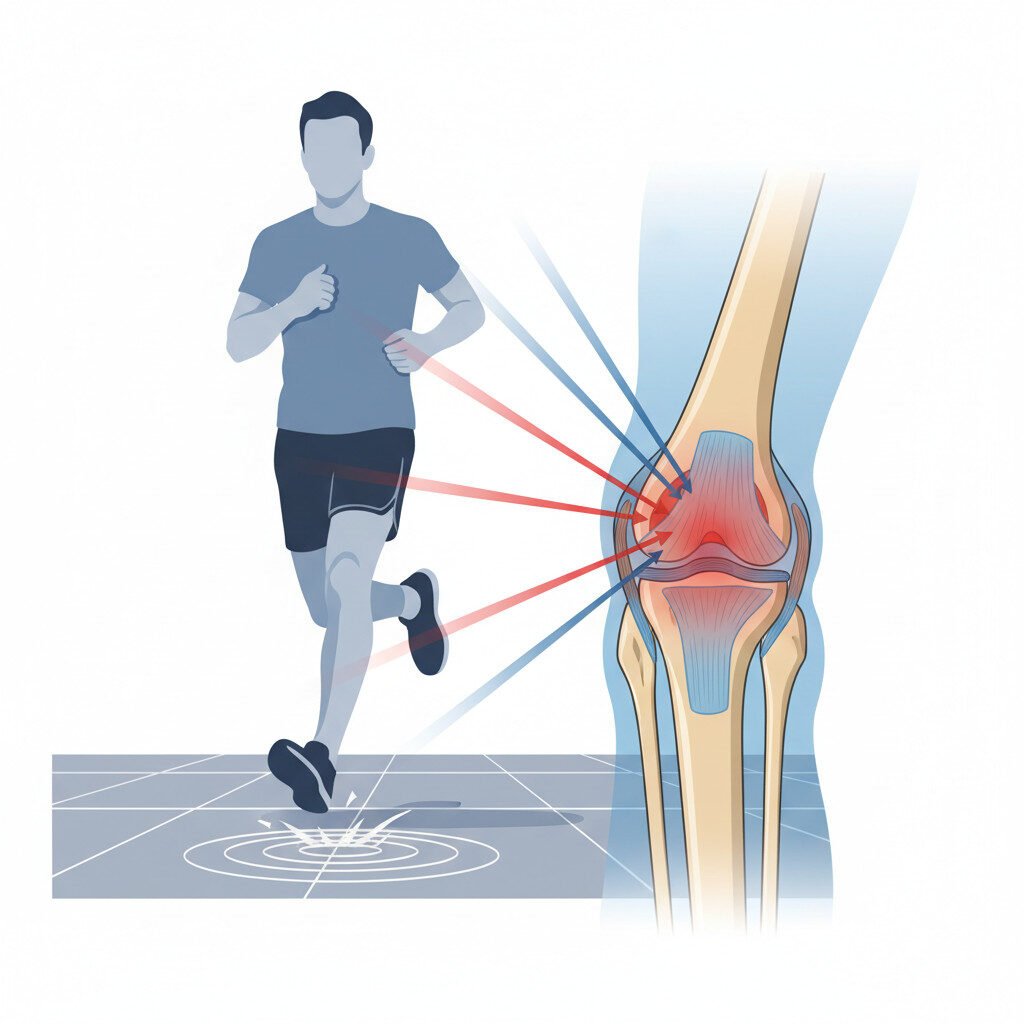
Knee pain can abruptly halt your running routine and cause frustration. Understanding why your knees hurt is crucial in finding effective solutions. The knee joint is part of a complex system involving hips and ankles. When muscles that absorb impact are weak or fail to engage properly, excessive force transfers directly to the knees, causing pain and injury.
The Role of Your Muscular Support System
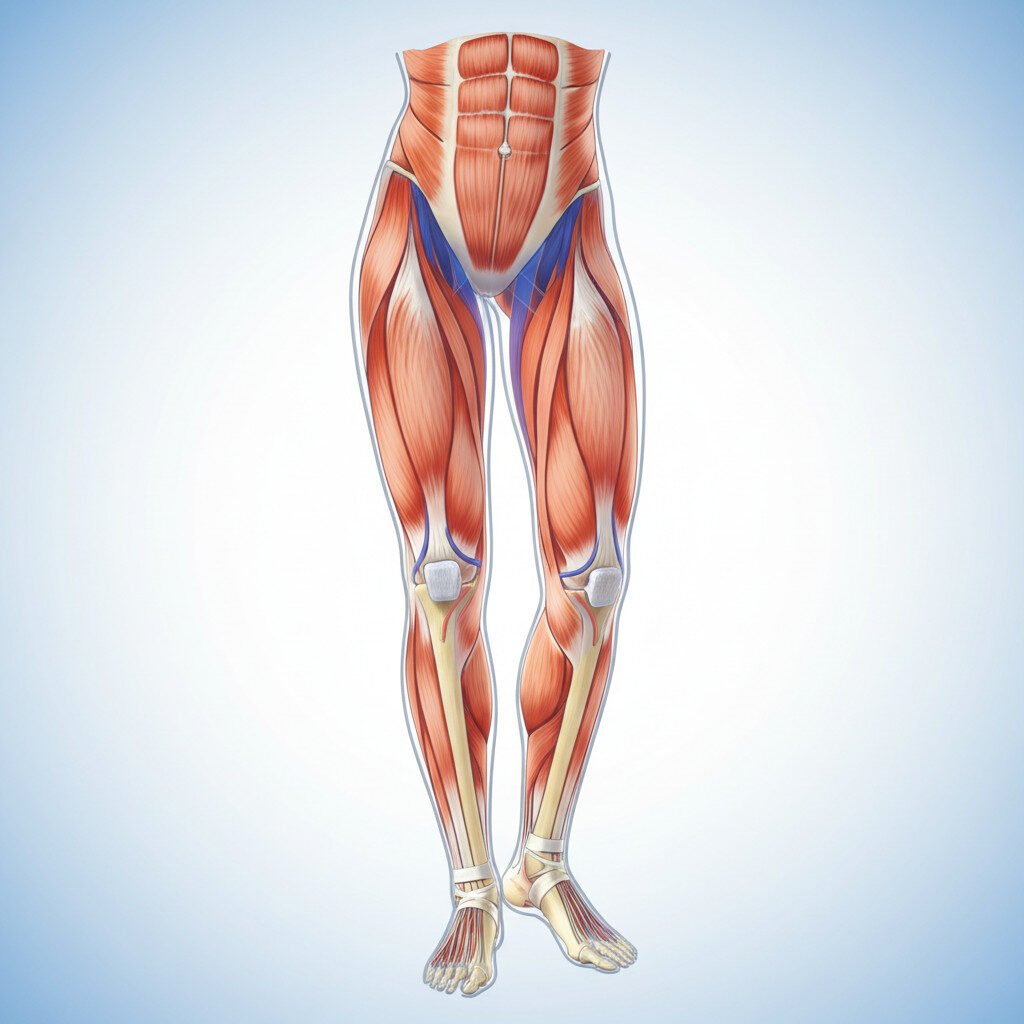
Your hips, glutes, quads, hamstrings, and calves form a vital support structure for your knees. Strong glute muscles prevent your knees from collapsing inward, a common cause of runner’s knee. Quads act as shock absorbers, cushioning impacts. If any muscle group underperforms, others compensate, leading to strain and injuries. Strengthening this muscular system is key to stable, pain-free knees.
Common Causes of Biomechanical Stress
Running-related knee injuries often stem from biomechanical issues rooted in muscle weaknesses and faulty movement patterns:
- Weak Glutes: Lead to inward rotation of the thigh bone, stressing the inner knee.
- Poor Hip Stability: Results in hip drop, misaligning the knee and causing conditions like IT band syndrome.
- Quad Dominance: Overreliance on quads while neglecting hamstrings and glutes pulls the kneecap out of alignment.
Correcting these imbalances protects your knees and reduces injury risk.

Your Foundational Knee Strengthening Routine
Mastering the Core Three Exercises
Focus on three essential movements that target muscles key to knee stability and shock absorption:
- Bodyweight Squats: Strengthen quads and glutes to absorb impact effectively. Perform 3 sets of 10-15 reps maintaining knee alignment.
- Forward Lunges: Improve single-leg stability by mimicking running strides. Do 3 sets of 10-12 reps per leg with controlled movement.
- Glute Bridges: Activate glute muscles critical for proper leg alignment. Aim for 3 sets of 15-20 reps focusing on a slow, controlled lift.
Perfect form is vital — prioritize slow, deliberate movements over speed or volume.
Progressing Your Routine Safely
Once comfortable, gradually increase challenge through:
- Adding resistance weights like dumbbells during squats and lunges.
- Using resistance bands for glute bridges.
- Advancing to single-leg glute bridges or adding pulses at squat depth.
- Introducing instability by performing lunges on softer surfaces to engage stabilizer muscles.
Consistency 2-3 times weekly on non-running days fosters long-term knee resilience.

Advanced Exercises for Bulletproof Knees
Plyometrics for Explosive Power and Control
Plyometric exercises develop rapid force production and teach controlled landings to minimize knee impact:
- Box Jumps: Start with a low box, jump explosively, land softly in a squat position, and step down carefully. Perform 3 sets of 5-8 reps emphasizing quiet, controlled landings.
Single-Leg Exercises for Unilateral Stability
Running is a single-leg activity; asymmetries increase injury risk. Single-leg exercises identify and correct imbalances:
- Assisted Pistol Squats: Use a support for balance, lower yourself on one leg while keeping the knee aligned, then rise. Aim for 3 sets of 6-8 reps per leg.
Prioritize form over reps. These drills enhance stability on uneven terrain and reduce knee wobble.

How to Adjust Your Running Form to Protect Your Knees
The Problem with Overstriding
Landing your foot too far ahead of your body causes harsh braking forces transmitted to the knee. This inefficiency increases knee stress and injury risk.
Finding Your Cadence Sweet Spot
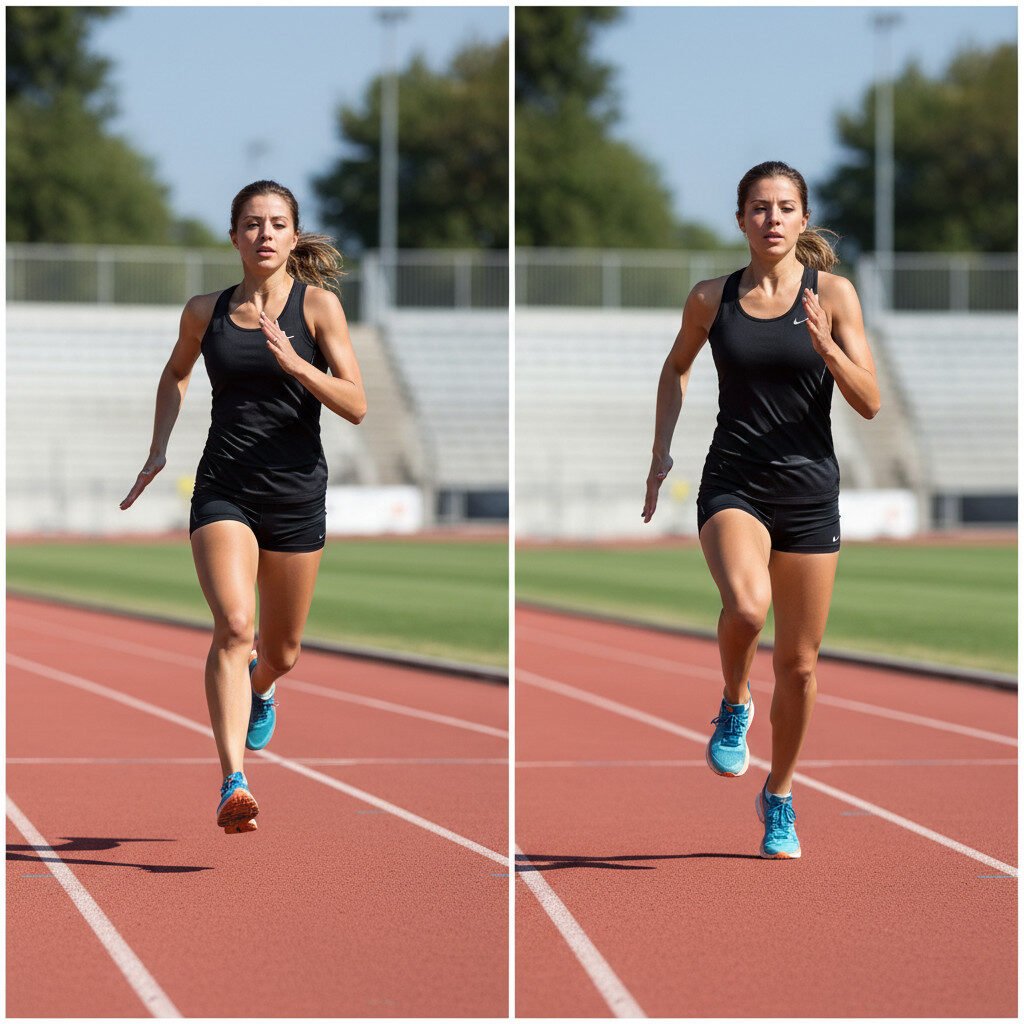
Enhance running efficiency and reduce knee impact by increasing step rate (cadence) by 5-10%, encouraging foot strikes beneath your body:
- Measure your baseline steps per minute.
- Aim for a gradual increase of about 5% rather than drastic changes.
- Use metronome apps to train consistent cadence.
Form Adjustments to Protect Your Knees
| Common Mistake | Impact on Knees | Recommended Correction |
|---|---|---|
| Overstriding | Harsh braking force increasing knee load. | Increase cadence to land feet under the body. |
| Slouching or Leaning at the Waist | Disrupts center of gravity, worsening overstriding. | Maintain an upright posture with slight forward lean from ankles. |
| Forcing Foot Strike | Leads to unnatural mechanics and injuries. | Focus on cadence; foot strike adjusts naturally. |
Posture and Foot Strike Cues
- Run Tall: Imagine a string pulling your head upward, promoting a slight forward lean from the ankles.
- Don’t Force Foot Strike: Let foot positioning happen naturally with improved cadence.
The Right Warm-Ups and Cool-Downs for Knee Health
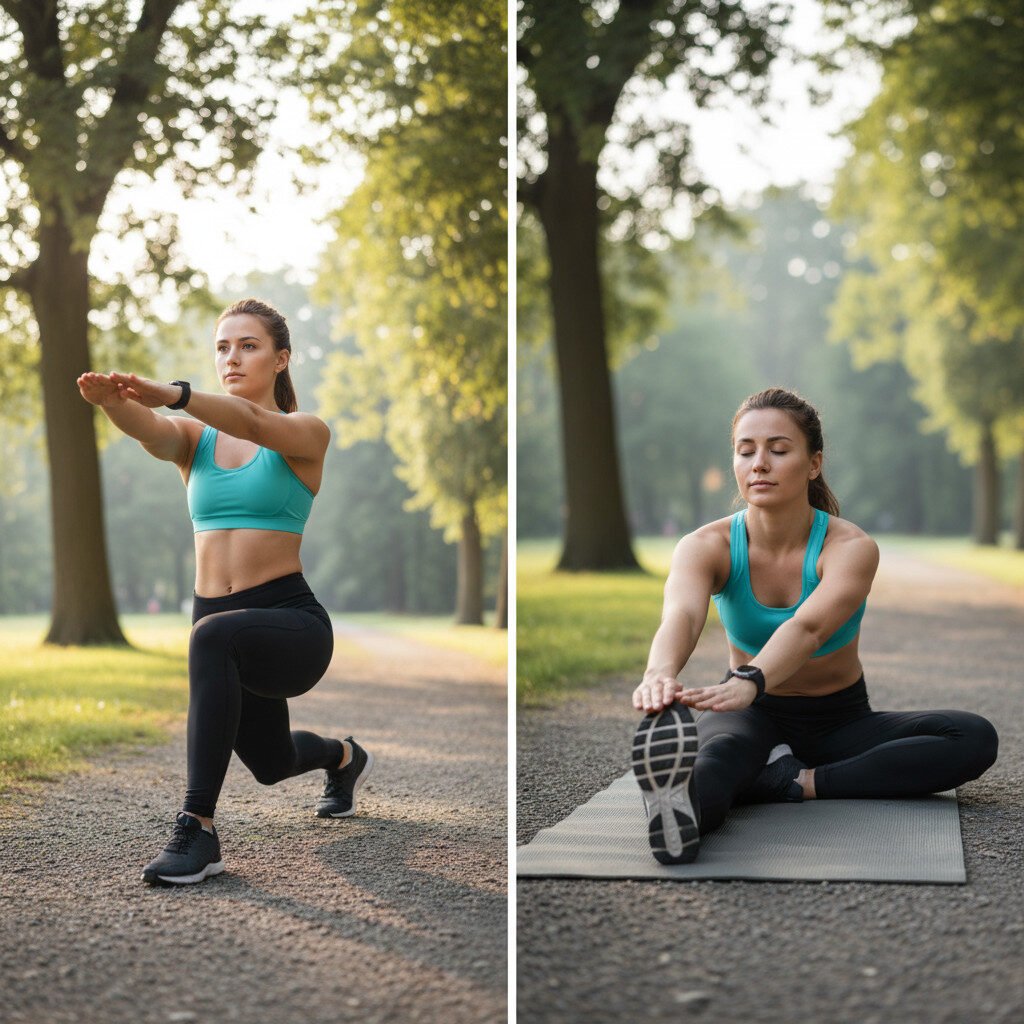
Your Pre-Run Dynamic Warm-Up
Prepare your knees and muscles for running impact with a 5-7 minute dynamic warm-up focused on activation, not fatigue:
- Leg Swings: Forward and sideways swings (10-12 per leg) open hips and loosen muscles.
- Walking Lunges: Ten steps per leg to engage glutes, quads, and hamstrings.
- High Knees and Butt Kicks: 30 seconds each to elevate heart rate and simulate running cadence.
The Post-Run Cool-Down for Recovery
A proper cooldown aids recovery by restoring muscle flexibility and circulation. Hold each stretch for 30 seconds per side:
- Standing Quad Stretch
- Standing Hamstring Stretch
- Kneeling Hip Flexor Stretch
Integrating these routines consistently supports knee longevity and performance.
Common Questions About Running and Knee Health
Can I Still Run If I Have Knee Pain?
It depends on pain severity. Sharp or persistent pain signals the need to stop and consult a professional. Mild soreness can often be managed by reducing intensity and focusing on strengthening exercises. Always listen to your body to prevent worsening injuries.
How Long Does It Take for Knee Strengthening to Work?
Many runners notice improved stability and reduced aches within 4-6 weeks of consistent training, but deep joint protection requires 8-12 weeks. Patience and regularity are essential. Knee braces may provide temporary relief but do not replace strengthening and form improvements.